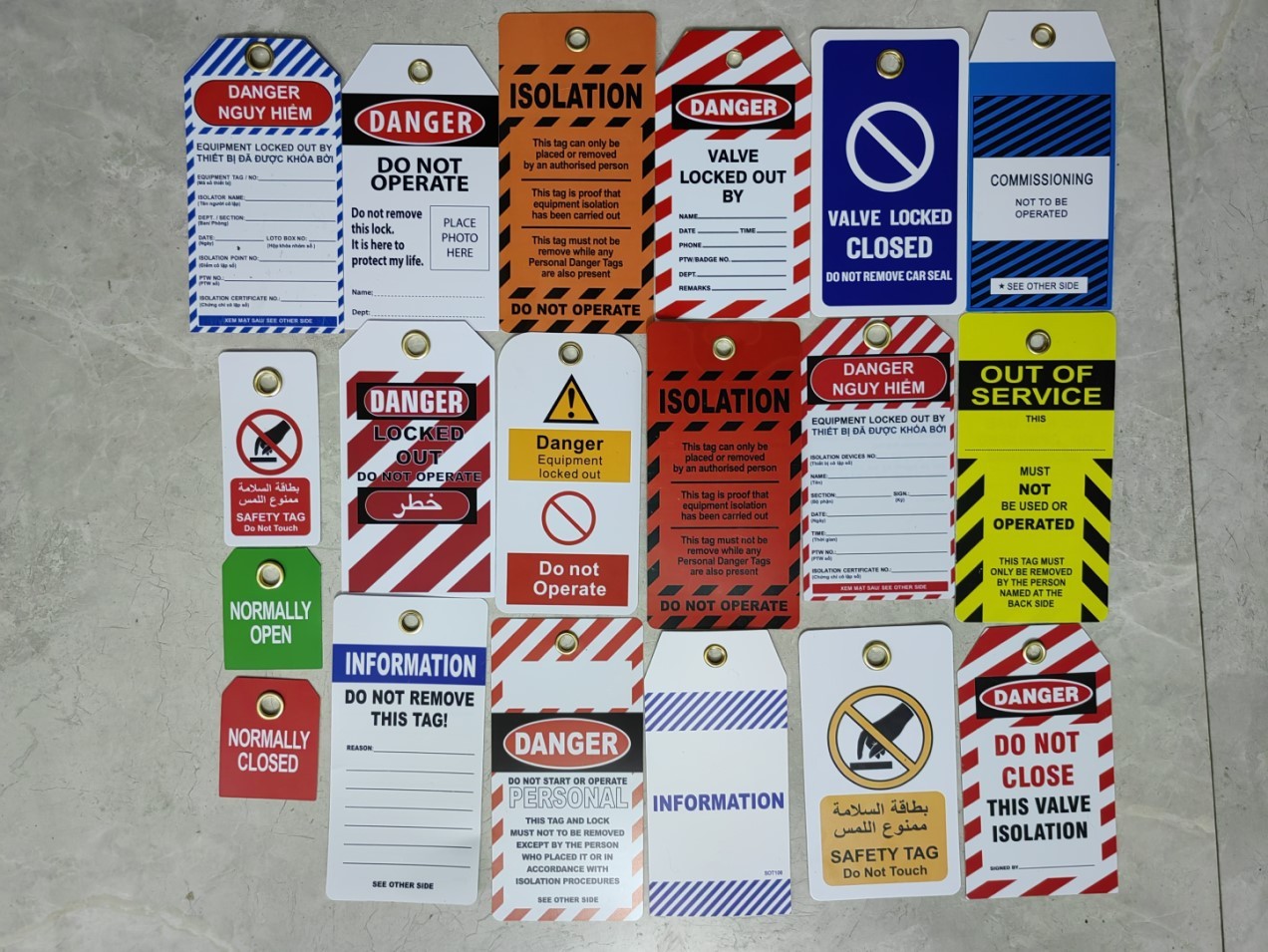
Most lockout tagout (LOTO) programs fail not because of broken procedures—but because of broken communication. A generic tag that reads “Do Not Operate – Maintenance in Progress” might technically comply with OSHA standards, but it doesn’t answer the critical questions: Which machine? Who locked it? Why? When? That’s where custom lockout tagout tags stop being optional extras and become essential tools in a high-integrity safety system.
Generic tags create ambiguity. Custom tags eliminate it.
Why Standard Tags Fall Short in Real-World Environments
In theory, standardized lockout tags work. In practice, they often lead to confusion—especially in facilities with multiple shifts, overlapping maintenance tasks, or complex machinery. A study by the National Institute for Occupational Safety and Health (NIOSH) found that unclear or missing lockout information contributed to over 10% of serious industrial incidents involving hazardous energy.
- Missing accountability: No clear identifier for the authorized employee who applied the lock.
- No date/time tracking: Without start and expected end times, others may assume the tag is outdated.
- Poor visibility: Generic tags often use low-contrast colors or fonts that fade under industrial lighting.
- Lack of machine-specific warnings: Not every piece of equipment has the same risks—hydraulic presses need different warnings than conveyor systems.
A custom tag addresses each of these points by design.
How Custom Lockout Tagout Tags Prevent Complacency
Workers become numb to repeated, identical warnings. When every tag looks the same, employees are more likely to ignore them—especially if they’ve seen the same tag on a machine that was only being cleaned, not serviced.
Customization disrupts this habituation. When a tag includes:
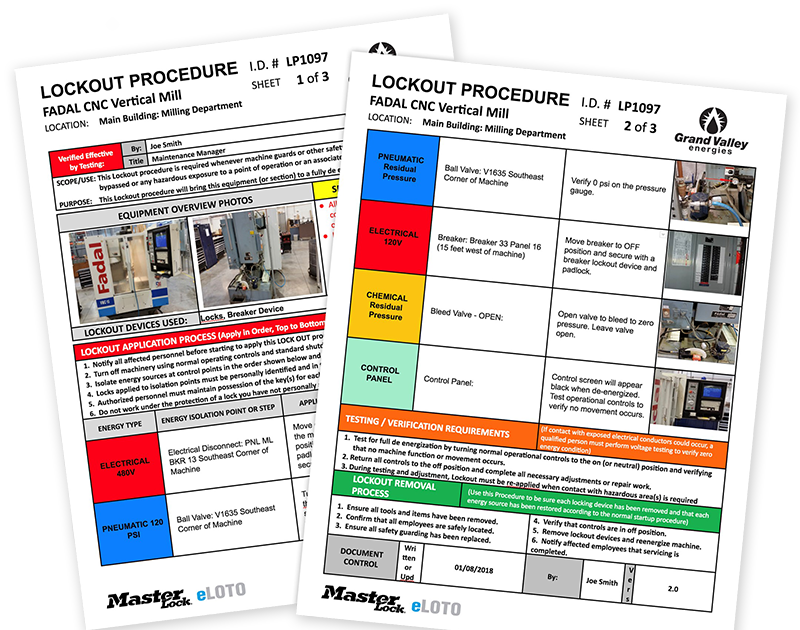
- The specific machine name and ID
- A photo of the isolation point
- A QR code linking to the full LOTO procedure
- The technician’s name and department
…it becomes harder to dismiss.
Example: At a Midwest manufacturing plant, maintenance supervisors noticed recurring bypass behavior near a CNC milling station. After switching to custom tags with machine serial numbers and shift-specific color coding, unauthorized attempts to restart equipment dropped by 74% within three months.
Key Elements of an Effective Custom Tag
Not all customization is useful. A well-designed custom LOTO tag should include only what’s necessary—and nothing more. Clutter reduces readability.
| Field | Purpose |
|---|---|
| Equipment Name & ID | Eliminates confusion in multi-unit setups |
| Authorized Employee Name | Establishes personal accountability |
| Department/Shift | Clarifies responsibility during shift changes |
| Date & Time Applied | Prevents assumption of stale locks |
| Reason for Lockout | Explains the nature of work (e.g., “Motor Bearing Replacement”) |
| Expected Completion Time | Helps with workflow coordination |
| Isolation Method | Specifies lock type (valve lock, circuit breaker, etc.) |
| Emergency Contact | Enables fast response if issues arise |
Optional but valuable: - QR codes linking to digital LOTO logs - Pictograms for multilingual workforces - UV-resistant laminate for outdoor equipment
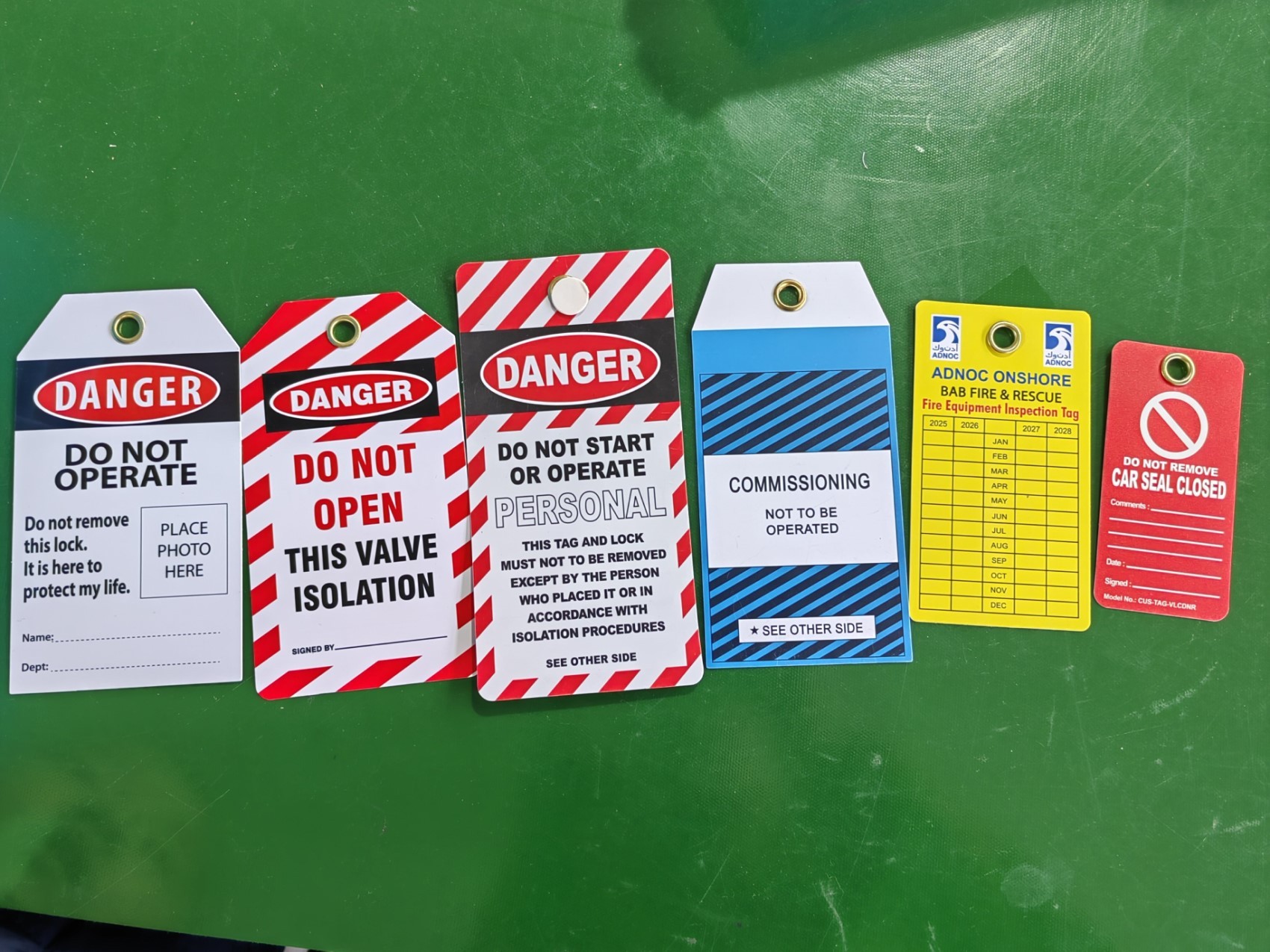
A chemical processing facility in Texas added QR codes to their custom tags, allowing supervisors to scan and instantly view the full energy control procedure. This reduced procedural lookup time by 60% and improved audit scores during OSHA inspections.
When Custom Tags Are Not Just Helpful—But Legally Smarter
OSHA 1910.147 doesn't require customization. But it does require that lockout tags be "durable, legible, and securely attached." It also mandates that they clearly state "Do Not Start," "Do Not Open," or similar language.
Custom tags meet and exceed these requirements by providing context that generic tags can’t. During an OSHA audit, a facility using custom LOTO tags demonstrated how each tag was tied to a specific employee, machine, and maintenance log. The auditor noted it as a “best practice” and fast-tracked the compliance review.
More importantly, in the event of an incident, custom tags serve as documented proof that:
- The correct procedures were followed
- Accountability was assigned
- Information was clear and accessible
This documentation can protect both workers and employers in liability situations.
Designing for Durability and Compliance
A custom tag is useless if it deteriorates after two weeks. Industrial environments demand resilience.
Material choices matter:
- Polypropylene tags: Water-resistant and tear-proof; ideal for wet or outdoor areas.
- Vinyl tags: Withstand oils, solvents, and extreme temperatures.
- Metal tags: Used in high-abuse zones (e.g., foundries or heavy fabrication).
Print quality is equally important. Thermal transfer printing lasts longer than inkjet, especially when exposed to UV light or grime.
Pro tip: Use dual-language tags in facilities with multilingual crews. Spanish-English combinations are common, but customization allows inclusion of Tagalog, Vietnamese, or other prevalent languages.
Custom Tags in Action: Real Use Cases
Case 1: Power Generation Plant A utility company servicing multiple turbines used identical red tags across all units. During a scheduled shutdown, a technician accidentally removed a lock from an energized turbine. The root cause? Two turbines had similar names, and the tags didn’t include serial numbers. After switching to custom tags with unique IDs and color-coded zones, mix-ups ceased.
Case 2: Food Processing Facility Cleaning crews frequently removed generic tags, assuming they were for maintenance, not sanitation lockouts. New custom tags now distinguish between “Mechanical Maintenance” and “CIP Cleaning in Progress,” reducing accidental startups by 90%.
Case 3: Automotive Assembly Line With over 200 robotic arms, identifying isolation points was a challenge. Custom tags now include small diagrams showing exactly where the lock should be applied—reducing lockout setup time and errors.
Choosing the Right Custom LOTO Tag Provider
Not all tag suppliers offer true customization. Some merely let you add text to a template. The best providers offer:
- Full design flexibility
- Compliance with ANSI Z535 and OSHA standards
- Fast turnaround for urgent needs
- Bulk ordering with version control
- Integration with digital LOTO platforms
Here are five reputable providers known for high-quality custom lockout tagout solutions:

| Provider | Key Strength | Customization Level | Material Options | Best For |
|---|---|---|---|---|
| Brady Corporation | Industry leader, global reach | Full field + layout control | Polypropylene, vinyl, metal | Large enterprises, regulated industries |
| Grainger | Wide availability, fast shipping | Moderate (pre-set templates + text) | Plastic, metal | Quick replacements, standardization |
| Seton | Online design tool, OSHA-aligned | High (drag-and-drop editor) | Synthetic paper, vinyl | Mid-sized facilities, frequent updates |
| CamCode | QR integration, digital links | Full + smart tags | Durable synthetics | Facilities using digital LOTO systems |
| SafetyMade | Multilingual support, ANSI-compliant | High | Weather-resistant materials | Multilingual or outdoor operations |
For maximum impact, pair your tags with standardized lockout stations and employee training that emphasizes tag literacy.
Common Mistakes to Avoid
Even with custom tags, programs fail when implementation lacks discipline.
Top pitfalls:
- Overloading tags with text: If it takes more than 5 seconds to read, it’s too long.
- Inconsistent formatting: Mixing styles across departments creates confusion.
- Using non-permanent attachment methods: String or flimsy ties can be tampered with.
- Failing to update tags when procedures change: Outdated tags are worse than no tags.
- Not training everyone on how to read them: Operators, cleaners, and contractors must all understand custom fields.
A refinery in Louisiana had excellent custom tags—but failed to train temporary contractors. One contractor removed a lock, assuming the “expected completion” time had passed. The facility now requires all visitors to complete a 10-minute tag literacy module before site entry.
The Bottom Line: Clarity Is Safety
Lockout tagout isn’t just about stopping equipment—it’s about communicating risk. Custom lockout tagout tags transform a compliance task into a communication tool. They reduce ambiguity, increase accountability, and align safety culture with daily operations.
If your facility still relies on generic, one-size-fits-all tags, you're not just risking non-compliance—you're inviting error. The cost of a custom tag is pennies. The cost of a misinterpreted lockout can be catastrophic.
Start by auditing your current tags. Ask: Would someone unfamiliar with this machine know exactly what this means? If the answer isn’t a confident yes, it’s time to customize.
FAQ
What makes a lockout tag “custom”? A custom lockout tag includes machine-specific details like equipment ID, technician name, work reason, and isolation method—beyond basic “Do Not Operate” messaging.
Are custom LOTO tags OSHA compliant? Yes—custom tags not only meet but often exceed OSHA 1910.147 requirements by improving clarity and accountability.
Can custom tags include barcodes or QR codes? Absolutely. Many facilities use QR codes to link to digital LOTO procedures, work permits, or training records.
How durable are custom lockout tags? High-quality custom tags are made from polypropylene, vinyl, or metal and designed to last months or years in harsh environments.
Should custom tags be multilingual? In diverse workplaces, yes. Dual-language tags reduce misinterpretation and improve safety for non-English speakers.
Can I design my own custom tag layout? Most professional suppliers offer design tools or work with you to create a format that fits your workflow and compliance needs.
Do custom tags reduce lockout-related incidents? Studies and real-world data show that clear, customized tags significantly reduce human error and unauthorized re-energization.
FAQ
What should you look for in Custom Lockout Tagout Tags: Why One-Size-Fits-All Doesn’t Work? Focus on relevance, practical value, and how well the solution matches real user intent.
Is Custom Lockout Tagout Tags: Why One-Size-Fits-All Doesn’t Work suitable for beginners? That depends on the workflow, but a clear step-by-step approach usually makes it easier to start.
How do you compare options around Custom Lockout Tagout Tags: Why One-Size-Fits-All Doesn’t Work? Compare features, trust signals, limitations, pricing, and ease of implementation.
What mistakes should you avoid? Avoid generic choices, weak validation, and decisions based only on marketing claims.
What is the next best step? Shortlist the most relevant options, validate them quickly, and refine from real-world results.