Every year, hundreds of preventable injuries occur during equipment maintenance—all because energy sources weren’t properly isolated. The answer? A reliable lockout tagout (LOTO) program anchored by trusted hardware. Among the industry leaders, Master Lock stands out—not just for brand recognition, but for engineering solutions that align with OSHA standards and real-world applications.
When machinery is de-energized for servicing, residual energy—electrical, hydraulic, pneumatic, chemical, or thermal—can still pose serious risks. A single misstep can lead to startup during maintenance, resulting in catastrophic consequences. Master Lock’s LOTO systems are designed to eliminate those risks by ensuring only authorized personnel can restore energy.
This isn't about compliance for compliance’s sake. It's about creating a culture where safety is visible, tactile, and non-negotiable.
Why Master Lock Dominates the LOTO Space
Master Lock didn’t become synonymous with industrial safety by accident. Their LOTO products are built on three core principles: durability, standardization, and accessibility.
Unlike generic lockout devices that may fit poorly or degrade quickly, Master Lock designs with real environments in mind—steel plants, food processing facilities, wastewater treatment centers. Their locks resist corrosion, their hasps withstand impact, and their tags remain legible even in high-moisture zones.
More importantly, Master Lock aligns tightly with OSHA 1910.147, the Control of Hazardous Energy standard. Their product line supports the key elements of an effective LOTO program:
- Clear identification of energy sources
- Standardized lockout devices
- Individual accountability via personal locks
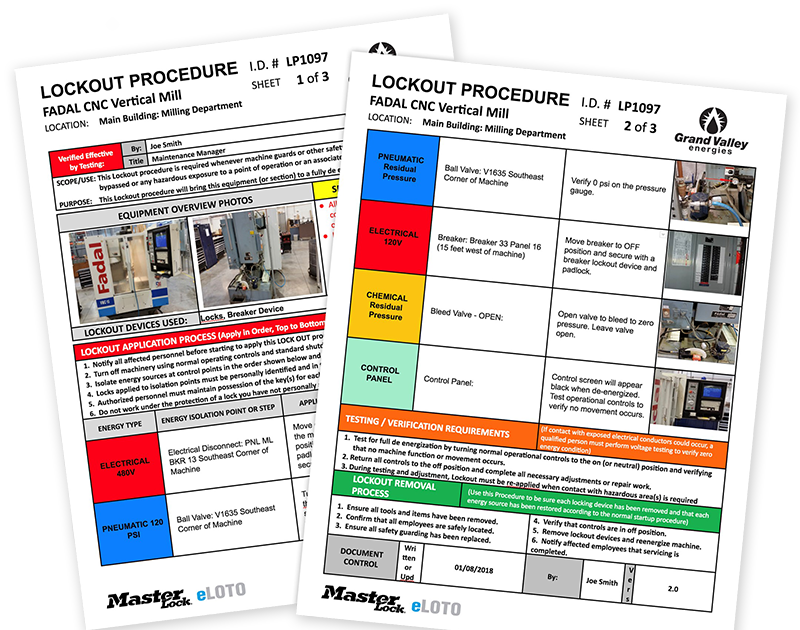
- Documentation and verification steps
A maintenance technician in a manufacturing plant doesn’t have time to fiddle with a poorly fitting valve lock. Master Lock’s molded solutions slip into place quickly, reducing downtime while increasing safety.
Key Master Lock LOTO Devices You Should Know
Master Lock offers over 1,000 LOTO products. But not all are equal in utility. Below are the most widely used and field-proven devices:
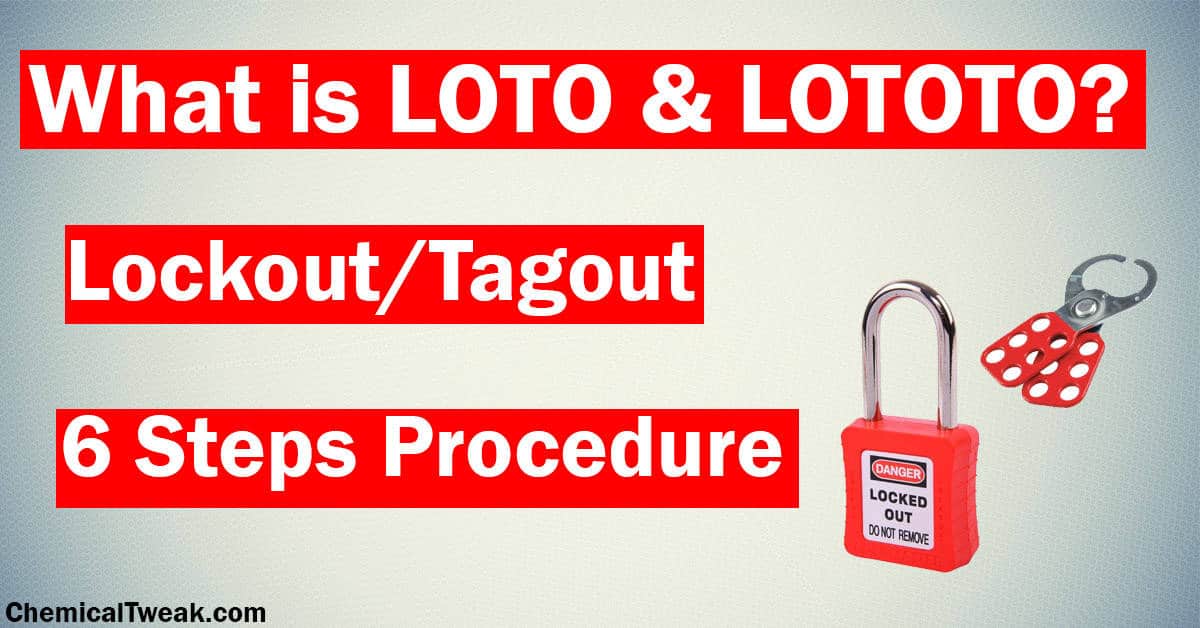
1. Padlocks with Safety Tags The foundation of any LOTO program. Master Lock’s 4683 series, for example, is a 1-1/2” laminated steel padlock with a red vinyl-coated body. It’s non-conductive, weather-resistant, and designed for one employee, one lock, one key.
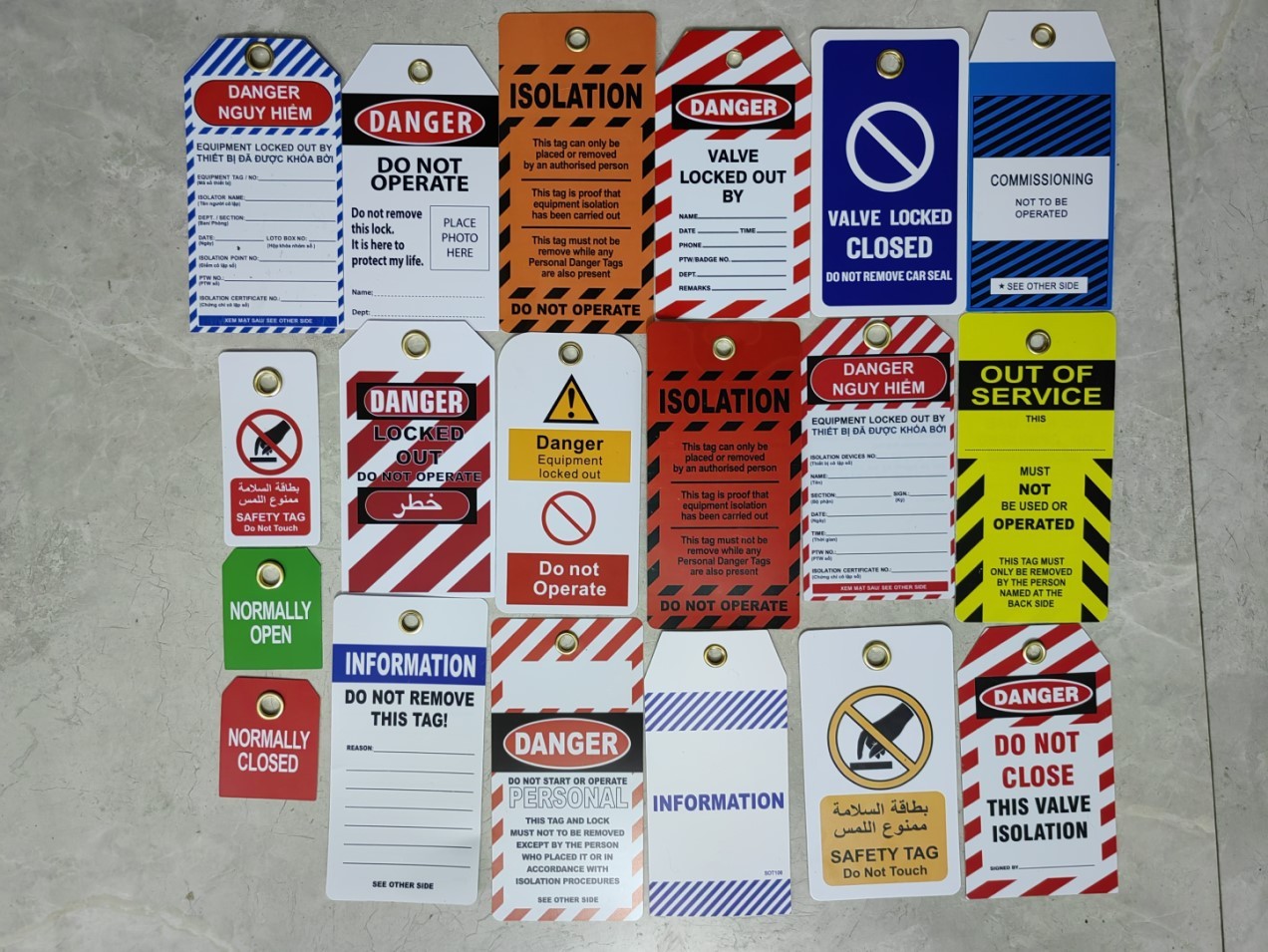
Each comes with a pre-printed tag that includes space for name, date, department, and reason for lockout—ensuring traceability.
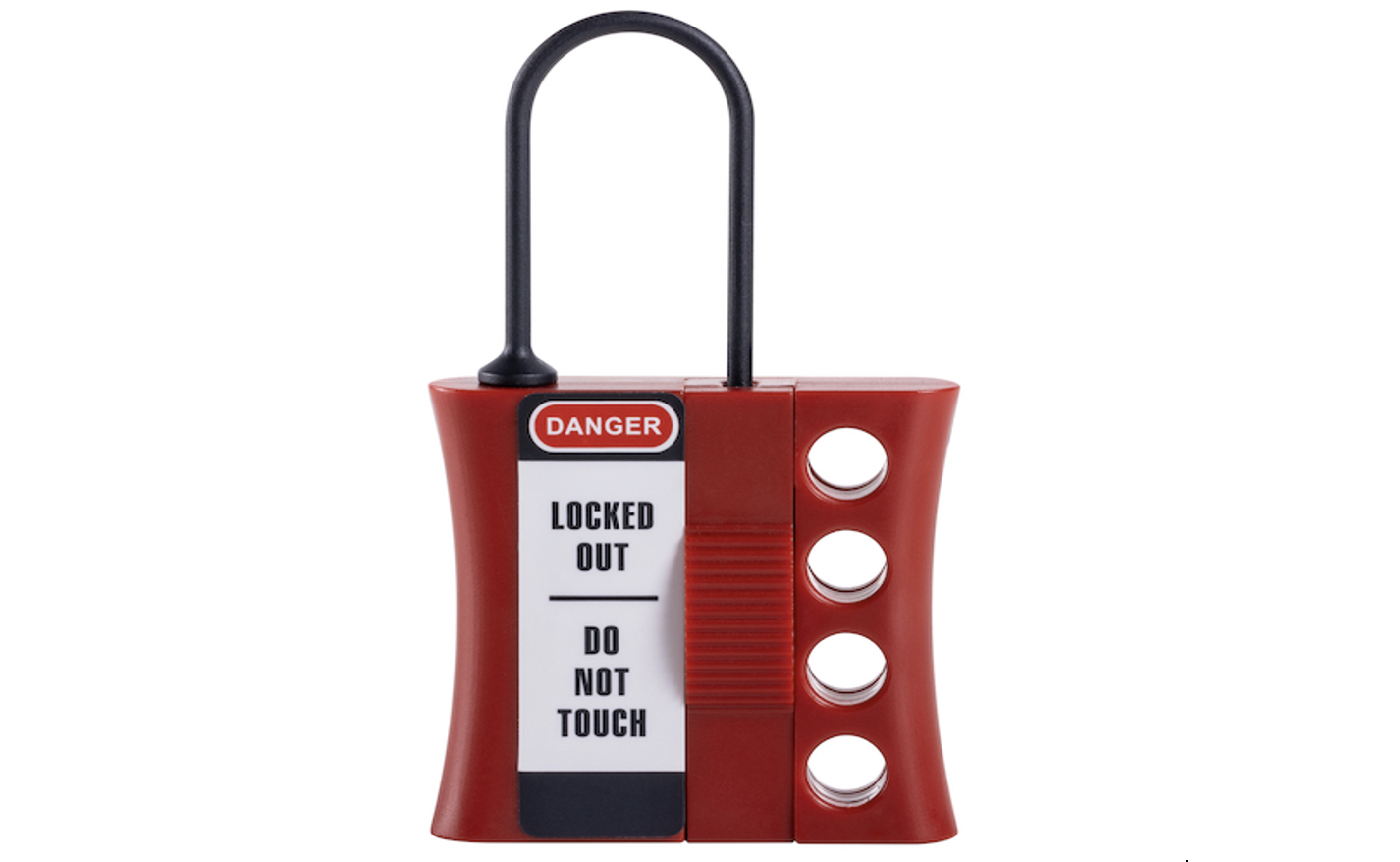
2. Group Lockout Hasps Used when multiple workers service a single machine. The Master Lock 175M hasp allows up to six padlocks to secure a single energy-isolating device. Once installed, no one can re-energize the system until all technicians remove their individual locks.
This prevents “group override” scenarios, a common compliance gap.
3. Valve Lockouts (Ball, Gate, Butterfly) Valves are among the most frequent energy isolation points. Master Lock’s ball valve lockout (No. 179DAT) uses an adjustable clamp that secures the handle in the off position. It fits most standard ball valves and includes a lock shackle point.
For butterfly valves, the 379DAT uses a dual-arm design to immobilize the actuator. Both are UV-resistant and rated for outdoor use.
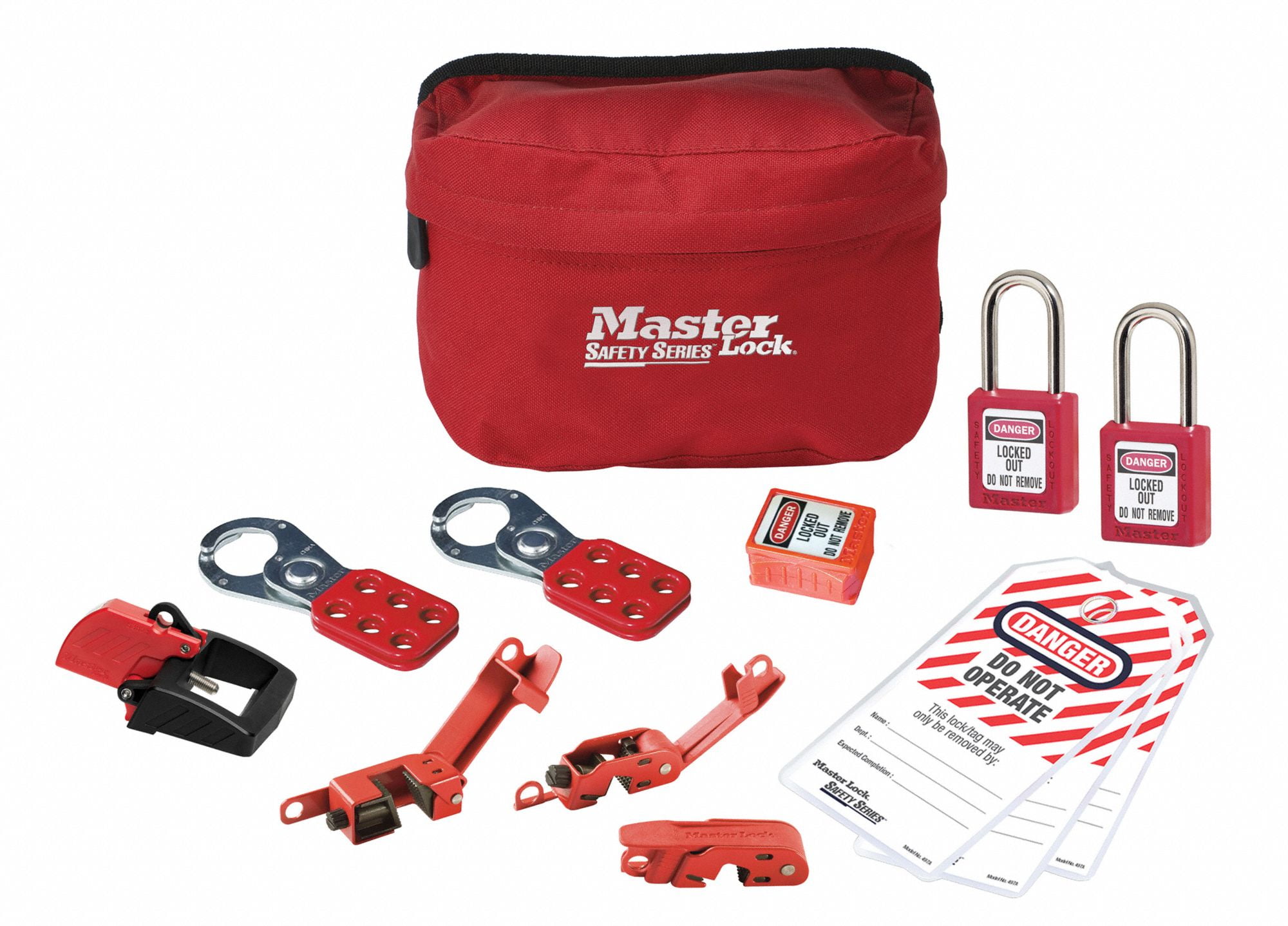
4. Circuit Breaker Lockouts Electrical hazards remain the leading cause of LOTO-related incidents. The Master Lock 335-1000 series fits standard 1" wide breakers and prevents flipping. Some models even support multiple breakers (gang lockouts), which is essential in panel-based environments.
5. Plug and Receptacle Lockouts
Before working on portable equipment, the plug must be secured. Master Lock’s 498DAT locks the plug into a protective housing, making reinsertion impossible without unlocking. It’s commonly used in maintenance bays and production floors with mobile tools.
How to Implement Master Lock LOTO in 5 Practical Steps
A LOTO program isn’t just about buying locks. It’s about integrating them into workflows. Here’s how to make it stick:
Step 1: Conduct an Energy Source Audit Walk through every machine. Identify all energy inputs—electrical panels, pneumatic lines, steam valves, hydraulic reservoirs. Document each and assign a primary isolation point.
Common mistake: Assuming one lock covers all energy types. A machine may need an electrical breaker lockout AND a hydraulic valve lockout.
Step 2: Select the Right Master Lock Devices Use the Master Lock LOTO selection guide to match hardware to each isolation point. For example:
| Energy Type | Device Example | Part Number |
|---|---|---|
| Electrical (1" breaker) | Breaker Lockout | 335-1000 |
| Ball Valve | Ball Valve Lockout | 179DAT |
| Group Isolation | Steel Hasp (6-lock) | 175M |
| Padlock | Safety Padlock | 4683RED |
| Plug Lockout | Plug & Cover Lockout | 498DAT |
Step 3: Train and Assign Personal Locks Each authorized employee gets their own lock, key, and tag. Never use master or shared keys. Personal accountability is the core of OSHA compliance.
Training should include identification drills, hands-on device application, and group lockout protocols.
Step 4: Perform Periodic Inspections Schedule monthly audits. Have a supervisor verify that:
- Locks are applied before service begins
- Tags are filled out completely
- No bypassing of lockout procedures
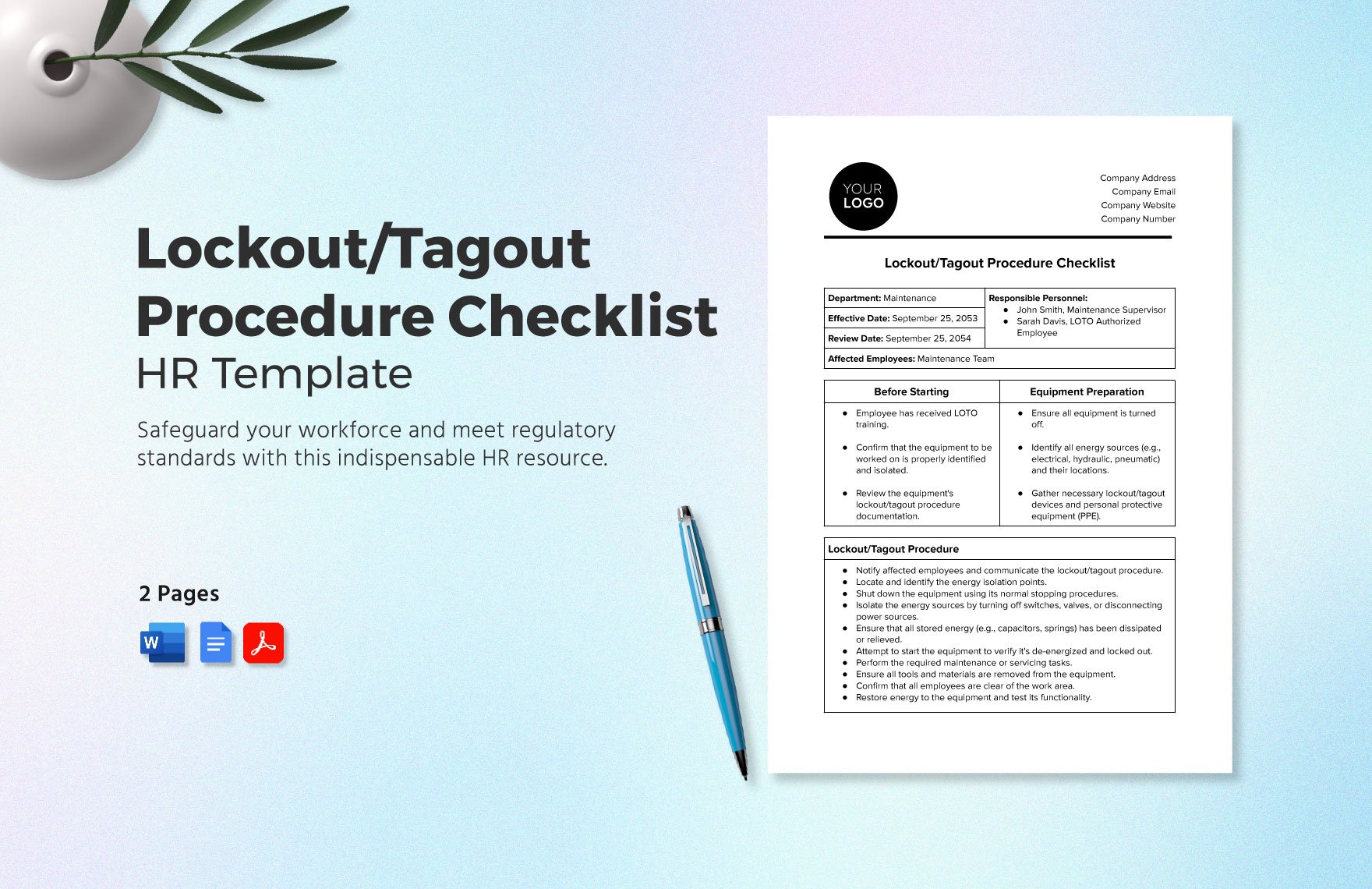
Use a checklist and document findings.
Step 5: Review and Update Annually Equipment changes. Processes evolve. Your LOTO program must too. Reassess isolation points, update training materials, and replace worn devices.
Common Mistakes That Undermine LOTO Effectiveness
Even facilities with Master Lock hardware in place can fail in execution. Watch for these pitfalls:
1. Using Tags Without Locks Tags alone aren’t sufficient. OSHA requires a physical lock to prevent re-energization. A tag is a warning; a lock is a barrier.
2. Incomplete Isolation Locking out only the main switch while ignoring secondary energy sources (e.g., pressurized lines) is dangerous. Always verify zero-energy state with testing.
3. Lost or Shared Keys If a technician loses their key, the lock must be cut off—never picked or bypassed. Shared keys defeat the purpose of individual control.
4. Skipping Group Lockout Procedures In team maintenance, one person shouldn’t remove all locks. The hasp ensures each technician removes their own, confirming they’ve cleared the area.
5. Poor Tag Maintenance Faded, torn, or blank tags reduce accountability. Use durable, weather-resistant tags and mandate full form completion.
Master Lock vs. Other LOTO Brands: Why It Matters
While competitors like Brady, Grainger, and Seton offer LOTO solutions, Master Lock holds a distinct edge in several areas:
| Feature | Master Lock | Generic/Competitor Brands |
|---|---|---|
| Material Durability | Reinforced polymer, stainless steel | Basic plastic, thin metal |
| OSHA Alignment | Explicit compliance guides | Often vague or incomplete |
| Color Standardization | Red locks, yellow tags (industry norm) | Inconsistent color coding |
| Global Availability | Direct + distributor network | Limited regional support |
| Training Resources | Free online LOTO courses, PDF guides | Minimal or paywalled content |
For example, a food processing plant in Wisconsin reported a 38% reduction in LOTO-related near-misses after switching from generic valve locks to Master Lock’s 179DAT. The improved fit and corrosion resistance made lock application faster and more reliable.
You don’t just buy a lock—you buy confidence in consistency.
Real-World Use Cases: Master Lock in Action
Automotive Manufacturing Plant A Detroit-based assembly line uses Master Lock breaker lockouts on robotic welding stations. During changeovers, multiple technicians isolate power at the circuit level. Group hasps ensure no robot powers on mid-adjustment. Since implementation, zero electrical incidents have occurred during servicing.
Water Treatment Facility Pumps and chemical feed lines require frequent maintenance. Operators use Master Lock butterfly valve lockouts (379DAT) and plug lockouts on submersible tools. The vinyl coating resists chlorine exposure, and the bright red color ensures visibility in dim pump rooms.
Hospital Biomedical Team
When servicing MRI machines, residual magnetic fields and backup power lines pose risks. The team uses Master Lock’s electrical lockout kits with insulated tools. Personal padlocks prevent accidental reactivation during calibration—critical in life-support environments.
Choosing the Right Master Lock LOTO Kit
Instead of buying pieces individually, many facilities opt for pre-assembled kits. These offer standardization and convenience.
Top 5 Master Lock LOTO Kits
- Master Lock 1870DATKIT
- - 10-piece starter kit
- - Includes padlocks, tags, hasp, breaker lockout
- - Ideal for small workshops or remote sites
- Master Lock 1871DATKIT
- - 20-piece expanded kit
- - Adds valve lockouts and plug protectors
- - Best for mid-sized maintenance teams
- Master Lock 1872DATKIT
- - Electrical focus
- - Multiple breaker lockouts, gang brackets
- - Suited for industrial control rooms
- Master Lock 1874DATKIT
- - Valve-specific kit
- - Covers ball, gate, and butterfly valves
- - Perfect for oil & gas or water utilities
- Master Lock 1875DATKIT
- - Comprehensive enterprise kit
- - Over 30 components, storage case
- - Designed for large facilities with diverse equipment
Each kit comes with bilingual tags (English/Spanish), tamper-resistant zip ties, and OSHA-compliant templates.
Final Thoughts: Make Safety Tangible
Lockout tagout isn't a paperwork exercise. It's a physical, daily practice that depends on tools you can trust. Master Lock delivers more than hardware—they enable a safety-first workflow that’s visible, repeatable, and enforceable.
Start with the right devices. Train your team thoroughly. Audit consistently. And never assume a machine is safe just because it’s off.
Your LOTO program is only as strong as its weakest link. Choose Master Lock to make that link unbreakable.
Frequently Asked Questions
What is the most popular Master Lock LOTO padlock? The 4683RED laminated steel padlock is the industry standard—durable, non-conductive, and easily identifiable.
Can Master Lock LOTO devices be used outdoors? Yes, many are UV-resistant and weather-rated, including valve lockouts and outdoor hasps.
Are Master Lock tags OSHA-compliant? Yes, their pre-printed tags include required fields: employee name, date, department, and reason.
How many locks can go on a Master Lock group hasp? Models like the 175M support up to six individual locks for team-based maintenance.
What’s the difference between lockout and tagout? Lockout physically prevents energy restoration; tagout provides warning information. Both are required under OSHA.
Can you reuse a Master Lock LOTO tag? No. Tags are single-use to ensure information accuracy and prevent confusion.
Do Master Lock kits include training materials? Many include quick-reference guides, and free training is available on Master Lock’s official website.
FAQ
What should you look for in Lockout Tagout Master Lock Solutions for Workplace Safety? Focus on relevance, practical value, and how well the solution matches real user intent.
Is Lockout Tagout Master Lock Solutions for Workplace Safety suitable for beginners? That depends on the workflow, but a clear step-by-step approach usually makes it easier to start.
How do you compare options around Lockout Tagout Master Lock Solutions for Workplace Safety? Compare features, trust signals, limitations, pricing, and ease of implementation.
What mistakes should you avoid? Avoid generic choices, weak validation, and decisions based only on marketing claims.
What is the next best step? Shortlist the most relevant options, validate them quickly, and refine from real-world results.