Safety doesn’t start with a policy buried in a manual—it starts with a conversation. And in high-risk environments like construction, manufacturing, or field operations, that conversation often happens during a toolbox talk. These short, focused safety meetings cut through the noise, address real hazards, and keep teams alert. But many supervisors struggle to find reliable, ready-to-use resources—especially free ones in an accessible format like PDF.
That’s where free toolbox talks PDFs come in. They offer structured, professional-grade content that can be downloaded instantly, printed, or displayed on a tablet at the job site. No fluff. No paywalls. Just actionable safety guidance that fits real workflows.
Here’s how to find, use, and maximize the value of free toolbox talk PDFs—without falling into common traps.
Why Free Toolbox Talks in PDF Format Work Best
PDFs strike the perfect balance between accessibility and consistency. Unlike editable documents that risk formatting issues across devices, PDFs preserve layout, fonts, and branding—critical when sharing safety materials on-site.
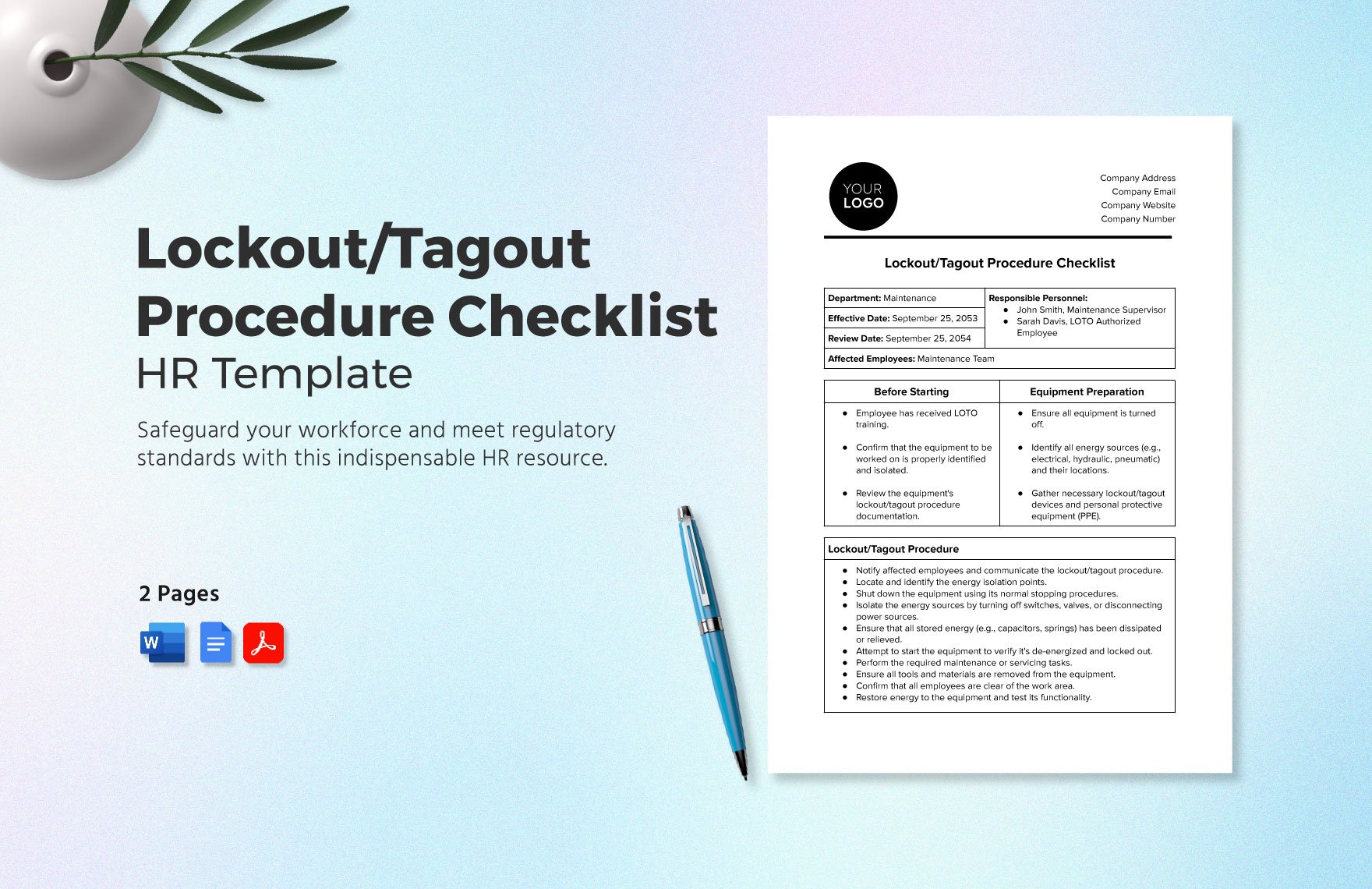
More importantly, a well-designed toolbox talk PDF includes: - A clear topic title (e.g., “Working at Heights”) - Key hazards associated with the task - Preventive measures and PPE requirements - Discussion prompts for team engagement - A sign-in sheet or attendance log
These elements turn a 5–10 minute talk into a documented safety event, supporting compliance with OSHA and other regulatory standards.
A common mistake? Relying on verbal-only briefings. Without documentation, there’s no proof the talk happened—putting companies at risk during audits or after incidents.
Pro tip: Always pair the PDF with a sign-in sheet. Even if digital, ensure attendance is tracked and stored for at least one year.
Where to Find High-Quality Free Toolbox Talks PDFs
Not all free resources are created equal. Many sites offer poorly formatted, generic, or outdated content. The best sources provide regularly updated, industry-specific talks that reflect current safety standards.
Here are five trusted sources for free, downloadable toolbox talk PDFs:
- OSHA Official Website
- OSHA provides free safety materials, including sample talks on fall protection, electrical safety, and hazard communication. While not all are pre-formatted as ready-to-use toolbox talks, they’re authoritative and compliant. Best for: Regulatory accuracy and foundational topics.
- SafetyNow
- Offers a library of free, downloadable PDFs covering 50+ topics—from forklift safety to winter hazards. Each includes discussion points and an attendance sheet. Best for: Plug-and-play usability and frequent updates.
- Creative Safety Supply
- Provides free safety talks in PDF format, many with bilingual (English/Spanish) options. Topics include lockout/tagout, fire prevention, and PPE use. Best for: Multilingual teams and visual learners (some include diagrams).
- HSI (Health & Safety Institute)
- HSI shares a rotating selection of free PDF toolbox talks. Registration is required, but the content is professional and well-structured. Best for: High production quality and trainer support tools.
- Construction Safety Council
- Focuses on construction-specific hazards. Their free PDFs include seasonal topics like heat stress and holiday season safety. Best for: Construction crews and seasonal hazard planning.
Avoid sites that ask for excessive personal information or redirect to paid trials. If a resource feels like a lead magnet disguised as free content, it probably is.
How to Customize a Free PDF for Your Team
A generic toolbox talk risks sounding robotic or irrelevant. Workers tune out when content doesn’t reflect their actual environment.
Take this example: A PDF on “slip, trip, and fall” hazards might list warehouse risks. But if your team works on scaffolding, that talk needs customization.
- Here’s how to adapt a free PDF:
- Replace generic examples with site-specific hazards (e.g., “wet concrete forms” instead of “wet floors”).
- Add photos of your actual worksite to the printed handout or presentation.
- Include local incident data—e.g., “Last month, two near-misses occurred during material handling.”
- Translate key terms if needed, even if not fully bilingual.
- Update PPE references to match company-issued gear.
One electrical contractor revised a standard “arc flash” PDF by adding a photo of their most-used breaker panel and a short story about a nearby crew’s close call. Engagement jumped—workers asked more questions and referenced the talk weeks later.
Customization doesn’t require design skills. Simply print the PDF, annotate with notes, and distribute. Or use free tools like PDFescape to edit text directly.
Common Mistakes When
Using Free Toolbox Talk PDFs
Even with great resources, teams undermine their impact through poor execution.
Mistake 1: Reading verbatim Toolbox talks aren’t lectures. Reading the PDF word-for-word signals disengagement. Use it as a guide, not a script.
Mistake 2: Skipping discussion The value isn’t in the handout—it’s in the dialogue. Always ask: “Have you seen this hazard here?” or “What would you do differently?”
Mistake 3: Irregular scheduling Random, sporadic talks create inconsistency. Set a rhythm—weekly, bi-weekly, or pre-task—and stick to it.
Mistake 4: No follow-up If a hazard is identified during the talk, document it and act. Nothing kills credibility faster than raising an issue and doing nothing.
Mistake 5: Ignoring worker input The best talks are co-created. Let crews suggest topics or lead occasional sessions.
One manufacturing plant reduced incidents by 30% after switching from top-down readings to worker-led discussions using the same PDFs—just with more interaction.
Building a Free PDF Toolbox Talk Library
Instead of scrambling each week, build a rotating library of 12–24 topics tailored to your operation.
Start by mapping your biggest risks: - Fall hazards - Equipment operation - Confined spaces - Chemical exposure - Electrical work
Then pull 2–3 free PDFs per topic from trusted sources. Store them in a shared folder labeled by category and date.
- Sample 6-Week Rotation:
- Fall Protection (OSHA PDF)
- Proper Ladder Use (SafetyNow)
- Hand Tool Safety (Creative Safety Supply)
- Heat Stress Awareness (Construction Safety Council)
- Fire Extinguisher Use (HSI)
- Incident Reporting Culture (Customized from OSHA guide)
Rotate seasonally—swap in winter traction tips in December, sun safety in July.
Bonus: Number your talks and reference them in safety audits (“We covered TT-17 on lockout/tagout last week”).
Real-World Use Cases That Show Impact

Case 1: Roofing Contractor in Texas Used a free PDF on “high-wind work protocols” after a near-miss. Added local wind speed data and a photo of improperly secured materials. Conducted a live demo using the PDF’s checklist. Result: Zero wind-related incidents in six months.
Case 2: Municipal Road Crew Downloaded a “night work visibility” PDF, then customized it with photos of their actual traffic cones and vests. Workers rated it the most useful talk all season.
Case 3: Industrial Maintenance Team Faced repeated lockout/tagout violations. Used a bilingual PDF from Creative Safety Supply, added a real incident report (redacted), and held the talk at the machine in question. Compliance rose from 68% to 94% in three weeks.
These examples show that free PDFs aren’t just cost-effective—they’re catalysts for change when used intentionally.
Maximizing Compliance and Engagement
Free toolbox talk PDFs support more than safety—they build culture.
When workers see consistent, documented effort, trust grows. Supervisors appear prepared. Companies demonstrate due diligence.
To maximize impact: - Assign a safety champion to lead talks weekly - Rotate facilitators to build ownership - Post completed sign-in sheets publicly (e.g., break room board) - Link talks to JSA (Job Safety Analysis) documents - Review past talks during safety audits
And never underestimate the power of a printed handout. Even in a digital age, a physical PDF sheet passed around before a shift carries weight.
Free toolbox talks in PDF format are among the most practical, scalable safety tools available. They’re not a shortcut—they’re a foundation.
The best ones combine regulatory soundness with real-world relevance. They’re easy to access, simple to customize, and effective when delivered with intention.
Start with one trusted source. Download three PDFs. Run your first talk this week. Track attendance. Encourage discussion.
Do that consistently, and you won’t just check a compliance box—you’ll create a safer, more aware team.
Frequently Asked Questions
Where can I download toolbox talks for free in PDF format? Reputable sources include OSHA.gov, SafetyNow, Creative Safety Supply, HSI, and the Construction Safety Council. Always verify the content is current and relevant to your industry.
Are free toolbox talk PDFs OSHA-compliant? Many are based on OSHA standards, but compliance depends on proper delivery and documentation. Always verify content aligns with current regulations and your site-specific hazards.
Can I edit a free toolbox talk PDF? Yes—use free tools like PDFescape or Adobe Acrobat to add site photos, local examples, or translated terms. Customization increases engagement and relevance.
How often should toolbox talks be conducted? Weekly or bi-weekly is ideal. Conduct them before high-risk tasks or when new hazards arise. Consistency matters more than frequency.
Should toolbox talks include sign-in sheets? Absolutely. Attendance records prove training occurred and support compliance during audits or investigations.
What topics should I cover in toolbox talks? Focus on common hazards: falls, electrical safety, PPE, equipment use, hazardous materials, and emergency procedures. Rotate topics seasonally and based on incident trends.
Can workers lead toolbox talks using free PDFs? Yes—and they should. Rotating facilitators increases engagement and gives frontline workers a voice in safety. Provide coaching to build confidence.
FAQ
What should you look for in Free Toolbox Talks PDFs: Practical Safety Guides You Can Use? Focus on relevance, practical value, and how well the solution matches real user intent.
Is Free Toolbox Talks PDFs: Practical Safety Guides You Can Use suitable for beginners? That depends on the workflow, but a clear step-by-step approach usually makes it easier to start.
How do you compare options around Free Toolbox Talks PDFs: Practical Safety Guides You Can Use? Compare features, trust signals, limitations, pricing, and ease of implementation.
What mistakes should you avoid? Avoid generic choices, weak validation, and decisions based only on marketing claims.
What is the next best step? Shortlist the most relevant options, validate them quickly, and refine from real-world results.