Ivy Tech Community College, Indiana’s largest public community college, relies heavily on adjunct instructors to deliver career-aligned education across 40+ campuses and online. With over 1.2 million Hoosiers served since its founding, Ivy Tech adjunct jobs represent more than just a paycheck—they’re a pathway to shaping workforce development, gaining academic experience, and building long-term credibility in education.
But competition for these roles is rising. Demand for skilled professionals in healthcare, IT, advanced manufacturing, and business drives frequent hiring—yet many qualified applicants never get past the initial screening. The difference between landing a contract and being overlooked often comes down to how well candidates align with Ivy Tech’s mission, present their real-world expertise, and navigate the hiring workflow.
This guide cuts through the noise. You’ll learn how to position yourself as a top-tier applicant, what the hiring managers actually look for, and how to build a sustainable adjunct career—not just survive semester to semester.
Why Ivy Tech Adjunct Jobs Are Different
Teaching at a community college isn’t the same as working at a four-year university. Ivy Tech serves a diverse student body: adult learners returning to school, recent high school graduates, career changers, and veterans. This affects how adjuncts teach, engage, and support students.
Adjunct roles at Ivy Tech prioritize practical knowledge over academic pedigree. While a master’s degree is required in most disciplines (especially those subject to Higher Learning Commission rules), industry experience often carries more weight than years spent in academia.
For example: - A nurse practitioner with five years in acute care is more attractive than a PhD with no clinical hours. - A software developer who’s built enterprise applications will outshine a computer science theorist with limited coding experience. - A small business owner bringing real P&L understanding to accounting courses adds value beyond textbook knowledge.
Ivy Tech looks for people who can translate complex ideas into job-ready skills—fast. Their students often balance work, family, and school. Lessons must be relevant, structured, and immediately applicable.
This focus on workforce alignment means adjuncts aren’t just instructors—they’re career accelerators.
Common Ivy Tech Adjunct Positions by Field
Ivy Tech hires adjuncts across a wide range of academic and technical areas. The most consistently open roles are in high-demand occupational fields. Here’s where the opportunities are:
#### 1. Health Sciences With programs in nursing, radiology, surgical technology, and medical coding, Ivy Tech needs licensed practitioners who can teach both theory and hands-on skills.
Sample role: Adjunct Nursing Clinical Instructor - Must hold active RN license in Indiana - BSN required; MSN preferred - Minimum 2 years of clinical experience
#### 2. Information Technology Courses in cybersecurity, networking, cloud computing, and programming create steady demand for IT professionals.
Sample role: Adjunct Instructor, Cybersecurity - Bachelor’s in IT or related field (master’s preferred) - Industry certifications (e.g., CISSP, CompTIA Security+) - Experience with threat analysis or network defense
#### 3. Advanced Manufacturing & Engineering Tech From CNC machining to robotics, these programs train students for factory-floor and technical supervision roles.
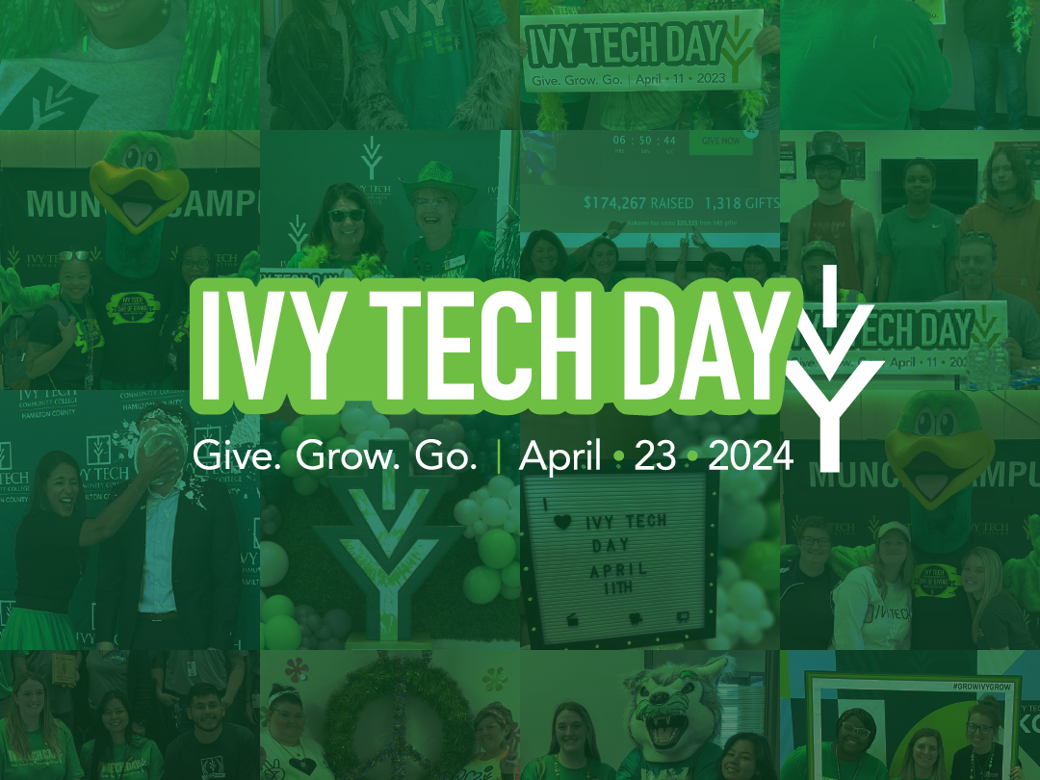
Sample role: Adjunct, Industrial Maintenance - Associate or bachelor’s degree in engineering tech - Hands-on experience with PLCs, hydraulics, or automation - Willingness to teach night or weekend labs
#### 4. Business & Professional Development Courses in project management, accounting, marketing, and entrepreneurship attract business professionals.
Sample role: Adjunct, Principles of Management - MBA or business master’s preferred - Leadership experience in corporate or startup settings - Comfort with online learning platforms
#### 5. Liberal Arts & General Education Though less frequent, Ivy Tech hires for English, math, psychology, and sociology—especially for online or dual-credit delivery.
Sample role: Adjunct, College Algebra - Master’s in Mathematics or related field - Experience with adaptive learning tools (e.g., ALEKS) - Ability to support underprepared students
Roles are typically part-time, with most instructors teaching 1–3 courses per semester. Pay varies by discipline and degree level, starting around $1,800–$2,500 per course.
How to Apply for Ivy Tech Adjunct Jobs
Applying is done entirely through Ivy Tech’s online careers portal. But simply uploading a resume won’t get you hired. You need to tailor every part of your application to the college’s expectations.
#### Step 1: Find Open Positions Go to ivytech.edu/careers and use filters for “Adjunct,” “Part-Time,” or “Temporary.” Positions are posted by campus and academic division. You can apply to multiple locations, but each requires a separate application.
Pro tip: Set up job alerts. New postings appear frequently—especially in summer and late fall.
#### Step 2: Prepare Core Documents You’ll need: - Resume or CV (focus on industry + teaching experience) - Cover letter tailored to the specific course or program - Copies of transcripts (unofficial are accepted initially) - Professional references (2–3, preferably with academic or supervisory context)
Common mistake: Submitting a generic cover letter. Hiring managers scan for proof you’ve read the job description. Mention the course code (e.g., HITM 105) and explain how your background fits.
#### Step 3: Highlight Teaching Readiness Even if you’re new to teaching, show you understand adult learning principles. Mention: - Training you’ve led in corporate settings - Mentoring junior staff - Public speaking or workshop facilitation - Familiarity with learning management systems (e.g., Canvas)
Ivy Tech provides training for new adjuncts, but they want confidence you won’t need hand-holding on day one.
#### Step 4: Be Ready for a Practical Evaluation Some departments require a teaching demo or sample lesson. For example: - Nursing applicants may simulate a clinical briefing - IT instructors might walk through a network troubleshooting scenario - English adjuncts could submit a sample discussion prompt and rubric
Prepare concise, student-centered materials that reflect Ivy Tech’s applied learning model.
Compensation, Scheduling, and Workload Realities
Let’s be clear: adjuncting at Ivy Tech isn’t a path to financial independence. It’s supplemental income for those committed to education or building a teaching portfolio.
| Pay Rates (Estimate): | |
|---|---|
| ------------- | ------------------------ |
| Master’s | $1,800 – $2,200 |
| Doctorate | $2,300 – $2,800 |
| Industry Credential + Experience | Varies by field |

Rates are higher in technical fields (e.g., aviation, healthcare) than in liberal arts.
Scheduling: - Classes meet nights, weekends, or online - Hybrid options are increasingly common - Contracts are semester-based—no guaranteed renewal
Time Commitment: Teaching one 3-credit course typically requires 12–15 hours per week, including: - 3 hours of instruction - 4–6 hours of prep and grading - 2–3 hours of student communication - 1–2 hours of LMS and administrative tasks
You won’t get rich, but you gain flexibility, classroom experience, and connections that can lead to full-time roles.
How to Stand Out in the Application Pool
Hundreds apply for each open adjunct role. Here’s how to get noticed:
1. Name-Drop Relevant Experience Instead of writing “experienced professional,” say: “I spent 7 years managing EHR implementation at Community Hospital East, training staff on HIPAA-compliant workflows—directly applicable to HITM 205: Health Information Systems.”
2. Show You Know Ivy Tech’s Students Hiring committees want instructors who get the challenges non-traditional learners face. Mention: - Experience teaching diverse or adult learners - Strategies for engaging students with limited time - Use of real-world examples in instruction
3. Demonstrate Tech Fluency Even face-to-face courses use Canvas. Highlight: - Experience with online quizzes, discussion boards, or video lectures - Use of Zoom, Microsoft Teams, or adaptive learning tools - Comfort uploading syllabi, rubrics, and grades on schedule
4. Get a Champion Reach out to department chairs or program leads before applying. A quick email like: “Hi Dr. Lopez, I’m applying for the adjunct IT security role. I’ve worked in network defense at Salesforce and would love to discuss how I can support your students.”
This kind of proactive outreach doesn’t guarantee a job—but it moves your application to the top.
Building a Sustainable Adjunct Career
Treat adjuncting like a career, not just a gig. The most successful instructors at Ivy Tech do three things:
1. Diversify Courses and Campuses Teach Intro to Business at Indianapolis and Business Communications at Lafayette. Spread your presence across locations and disciplines to increase retention.
2. Seek Professional Development Ivy Tech offers: - Adjunct orientation and pedagogy training - Workshops on equity, accessibility, and trauma-informed teaching - Access to the Teaching & Learning Center resources
Use these to refine your skills and show commitment.
3. Network Strategically Build relationships with full-time faculty, department leads, and academic deans. They’re often the first to know about full-time openings or grant-funded projects that need instructors.
Many full-time Ivy Tech faculty started as adjuncts. Prove reliability, student engagement, and program support, and you’ll be first in line when a permanent role opens.
Is an Ivy Tech Adjunct Job Right for You?
Ask yourself: - Can you commit 10+ hours weekly per course, even during busy seasons? - Are you comfortable with irregular income and semester-to-semester uncertainty? - Do you care about workforce development and student success beyond grades?
If yes, Ivy Tech adjunct jobs offer meaningful impact. You’ll help students earn credentials, switch careers, or transfer to universities—with real-world insight no textbook can provide.
Apply strategically. Teach with purpose. Grow your influence.
Frequently Asked Questions
What qualifications do I need to teach at Ivy Tech as an adjunct? Most roles require a master’s degree in the teaching discipline or a closely related field. Some technical programs accept a bachelor’s plus significant industry credentials or experience.
Do Ivy Tech adjuncts get benefits? No. Adjuncts are part-time, temporary employees and do not receive health insurance, retirement, or paid leave.
How much does Ivy Tech pay adjunct instructors? Typical pay ranges from $1,800 to $2,800 per course, depending on the subject, degree level, and campus.
Can I teach online for Ivy Tech as an adjunct? Yes. Many adjuncts teach fully online or in hybrid formats. Prior online teaching experience or training is preferred.
How long does the hiring process take? It varies by department. Some roles fill in 2–3 weeks; others take 6–8 weeks. You’ll usually hear within 10 days of application if you’re being considered.
Do I need teaching experience to become an Ivy Tech adjunct? Not always. Industry experience, communication skills, and subject expertise can outweigh formal teaching background—especially in technical fields.
Can I apply to multiple Ivy Tech campuses? Yes, but you must submit separate applications for each campus and course type. Tailor your materials accordingly.
FAQ
What should you look for in How to Land Ivy Tech Adjunct Jobs and Build a Teaching Career? Focus on relevance, practical value, and how well the solution matches real user intent.
Is How to Land Ivy Tech Adjunct Jobs and Build a Teaching Career suitable for beginners? That depends on the workflow, but a clear step-by-step approach usually makes it easier to start.
How do you compare options around How to Land Ivy Tech Adjunct Jobs and Build a Teaching Career? Compare features, trust signals, limitations, pricing, and ease of implementation.
What mistakes should you avoid? Avoid generic choices, weak validation, and decisions based only on marketing claims.
What is the next best step? Shortlist the most relevant options, validate them quickly, and refine from real-world results.